
Freedom Dental Implants · Louisville, KY
Dentures in Louisville, KY
Replace a full arch of missing teeth with a traditional denture or explore implant-supported options that offer more stability and support.
Freedom Dental Implants · Louisville, KY
Replace a full arch of missing teeth with a traditional denture or explore implant-supported options that offer more stability and support.
Today, the word “dentures” can describe several ways to replace missing teeth. Like most people, you might picture the traditional kind you take out at night, but that is only one way to replace a full row of teeth. Some dentures rest on the gums, some connect to dental implants but still come out for cleaning, and others stay secured to implants day and night. They all replace missing teeth, but living with them can look very different.
How do you know which type is right for you? A traditional denture can replace an entire upper or lower arch without implant surgery, and some people prefer that. Others want dentures that feel more secure, either from the start or as their needs change over time.
At Freedom Dental Implants in Louisville, KY, Dr. Regan Ackerman provides traditional dentures as well as removable and fixed implant options. The right place to begin depends on what you need from your replacement teeth now, while keeping in mind that those needs can change over time.
A traditional denture replaces all of the teeth in your upper or lower arch. The replacement teeth are set into an acrylic, gum-colored base that fits over the gums and ridge that once supported your natural teeth. Because no implants anchor the denture to the jaw, its shape and fit help keep it in place.
Upper and lower dentures are both removable, but they are designed differently because they have different anatomy to work with.
An upper denture usually extends across the roof of your mouth. Covering the palate creates a larger area of contact between the denture and your tissues, which helps create the suction that holds an upper denture in place.
A lower denture curves around the lower jaw in a horseshoe shape, leaving the center open for your tongue. There is less surface area available to support it, and your tongue, cheeks, and lips are constantly moving around it. For that reason, keeping a lower denture stable can be more challenging.
A new denture can feel bulky or unfamiliar at first. Your tongue, cheeks, and lips must adjust to its shape. You may notice certain words sound different at first, and eating can take practice as you learn how much pressure to use and how the denture responds when you chew. Softer foods, smaller pieces, and slower chewing can make the transition easier.
Because the denture base rests directly against your gums, we pay attention to how those areas feel as you start wearing it. A new denture may cause tenderness where it puts more pressure on the gums. If one area keeps rubbing, develops a sore, or hurts when you bite down, we can check the fit and find the source of the pressure. We can make small adjustments to relieve the problem without changing parts that already fit well.
Once you are comfortable wearing your dentures, watch both the denture and the tissues underneath. Food and plaque can collect on the denture and along the gums it covers. For that reason, remove the denture to clean it and clean the gums separately. Take your dentures out before bed so the supporting tissues have time to rest without the appliance pressing against them.
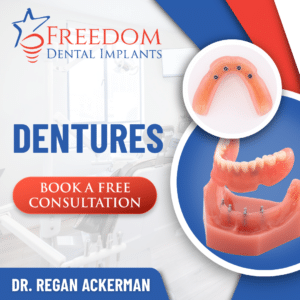 A denture is made to fit the shape of your gums and jaw at a particular point in time. But that shape does not stay exactly the same after you lose your natural teeth. The roots of your teeth once transferred pressure into the jawbone when you bit and chewed. After the teeth and their roots are gone, the bone in those areas gradually loses volume, and the ridge underneath your denture changes with it.
The denture doesn’t change as your jaw does. It keeps the shape it had when it was made, which can leave more space between the denture and the tissues supporting it. A denture that once felt comfortable and secure can gradually start moving more, even when the appliance is still in good condition.
As the fit changes, you may notice:
Have your denture checked if these changes begin affecting your comfort, chewing, or stability.
We can address changes in denture fit in different ways, depending on how much correction the restoration needs.
Adjustments and relines can improve how a denture fits against your gums, but some patients want the denture anchored more securely while they eat and speak. Dr. Ackerman can place one-piece dental implants in the jaw and use them as anchor points for your replacement teeth. Once the denture connects to the implants, the added support helps control the rocking, lifting, and shifting that can make chewing difficult.
Adding dental implants does not always require starting over with a new denture. If your current denture still fits well, is in good condition, and has enough room for the attachments, Dr. Ackerman may be able to modify it to connect to the implants. She will examine the denture and use CBCT imaging to evaluate the bone in your jaw before planning treatment.
A snap-in denture uses implant support while remaining removable. You press the denture onto the implant attachments when you put it in, then remove it for daily cleaning. Detachable and fixed full-arch bridges use implants to support teeth that stay secured while you eat, speak, sleep, and go about your day. With a detachable roundhouse bridge, Dr. Ackerman can remove the restoration when necessary for professional maintenance.
You can choose from these implant-supported options based on the type of replacement teeth you want, the bone available for implant placement, and your treatment plan. Starting with a traditional denture does not require you to stay with one type of support if your needs change.
Replacing a full row of teeth involves decisions you will live with every day. How secure do you want your teeth to feel when you eat? Are you comfortable removing them at night? Do you want to avoid implant surgery, or would you prefer the added support dental implants can provide?
Dr. Regan Ackerman can walk you through each option. She will explain what will work for your current denture (if you have one) and how you want your replacement teeth to function. Your free consultation at Freedom Dental Implants includes a CBCT scan, a treatment plan, and a review of costs and financing, so you can compare your options before choosing your treatment.
Contact Freedom Dental Implants in Louisville, KY, to schedule your free consultation.
Before your visit
Traditional dentures can help you eat a much wider range of foods than you could without teeth. But some foods are harder to manage. Hard, sticky, or tough foods require more chewing force and can cause a denture to shift.
If you find yourself avoiding solid foods because your denture moves when you chew, bring it to our office to have it checked. Dr. Ackerman can also discuss dental implant options if you want more stability while eating.
We recommend removing your dentures before you sleep. Wearing dentures overnight can contribute to irritation and increase the risk of denture-related infections.
The American Dental Association recommends leaving removable dentures out for at least four hours during every 24-hour period.
Dentures do not have a set expiration date, but research suggests that complete dentures last about 10 years on average. How long you can wear yours depends on its condition, how well it continues to fit, and how your gums and jaw change over time.
Routine care and monitoring can help you get the most use from your denture. Adjustments or relines can sometimes extend the life of your denture. However, significant changes in fit, wear, or damage may call for replacement.
Implant-supported options can provide greater stability and may serve you longer, particularly with fixed full-arch teeth.
However, no denture or bridge is maintenance-free. Regular checkups help protect the implants, supporting tissues, and replacement teeth so your restoration can continue functioning well for as long as possible.
Real patients. Personal care.
Implant-supported dentures replace a full arch of missing teeth with added support from dental implants. Depending on the option you choose, your teeth may snap in and out for cleaning or stay secured in place throughout the day. The smile shown here shows how replacing missing teeth can create a fuller, more complete smile.
Our Louisville team plans the number and placement of implants, the type of denture, and the maintenance routine around your needs. Schedule a free denture consultation to compare your options and find the level of stability that feels right for you.
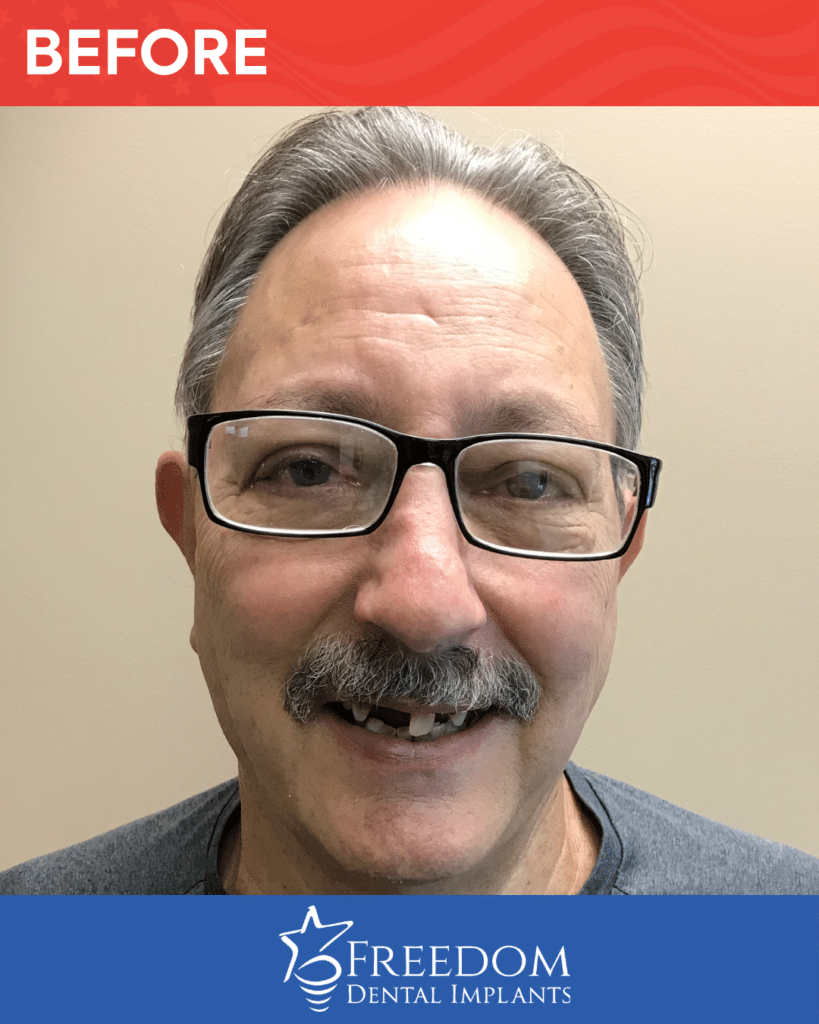
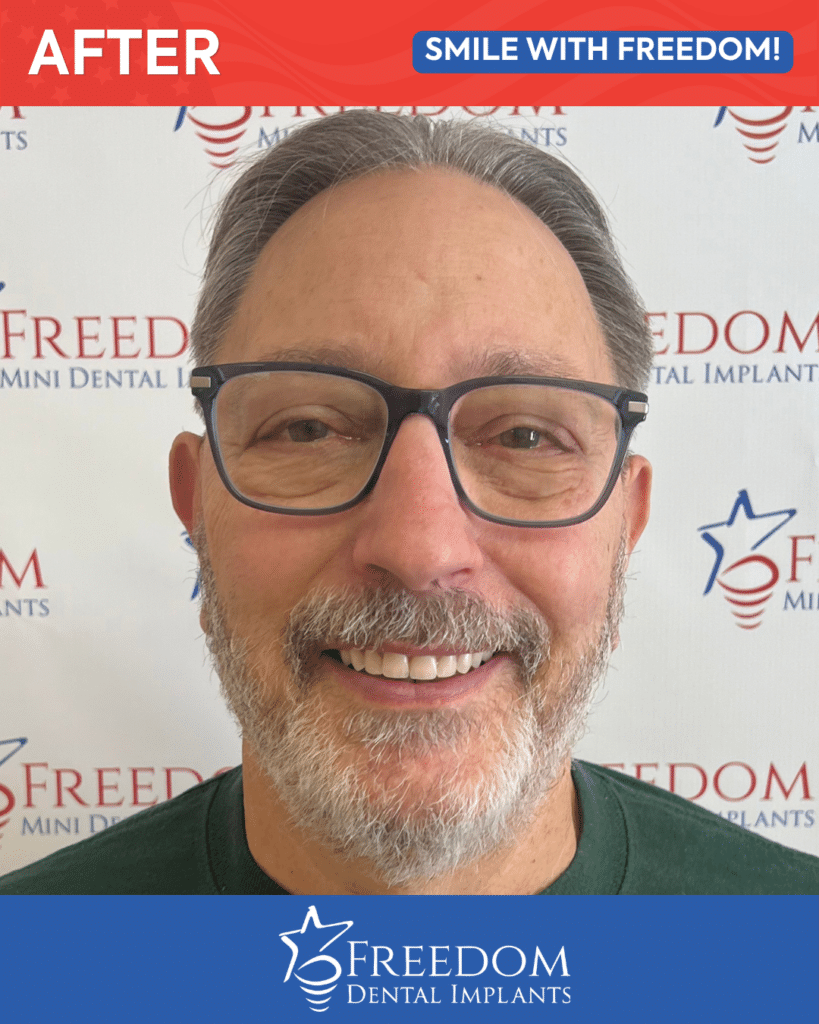
A smile from our practice. Individual results vary. Photos show the patient’s own starting point and result.

We are a family-run practice, and you see Dr. Regan Ackerman from your first consultation through treatment. We recommend care for the teeth that need it and preserve healthy teeth whenever possible. We use both mini and conventional-sized one-piece implants, choosing the size and restoration that fit your mouth.
Contact us today to arrange a free consultation.
Let’s talk about your smile
Tell us what is holding you back. We will explain your options and help you take the next step with confidence.
Request a free consultation Call (502) 937-4930